
Quick Summary
The main saddlecloth materials are cotton, polycotton with a polyester lining, faux fur lined cotton and quilted cotton with foam filling. Cotton absorbs sweat well but dries slowly, while synthetic linings wick moisture away from the skin and dry faster. Choose by workload and climate, since fur-lined pads add warmth and breathable mesh suits hard work.
- Cotton absorbs sweat well but dries more slowly than synthetic fibres.
- Polycotton with a polyester lining wicks moisture away from the skin.
- Faux fur lining holds warmth against the back, suiting cooler weather.
- Breathable mesh panels allow airflow to the back during hot, hard work.
- Machine wash polycotton pads at 30 degrees and never tumble dry them.
Table of Contents
- What a Saddlecloth Does and How It Differs from a Numnah or Saddle Pad
- Horse Saddlecloth Materials Compared Side by Side
- Breathable Saddlecloth Fabrics and Heat Management by Climate and Workload
- Best Saddlecloth Material for Horses by Type of Work and Sweat Level
- Caring for Your Saddlecloth: How to Wash a Horse Saddlecloth and Make It Last
- Frequently Asked Questions
What a Saddlecloth Does and How It Differs from a Numnah or Saddle Pad
A saddlecloth sits between the horse's back and the saddle, protecting the skin, absorbing sweat and spreading pressure, and the choice of saddlecloth materials affects how well it does each of these jobs.
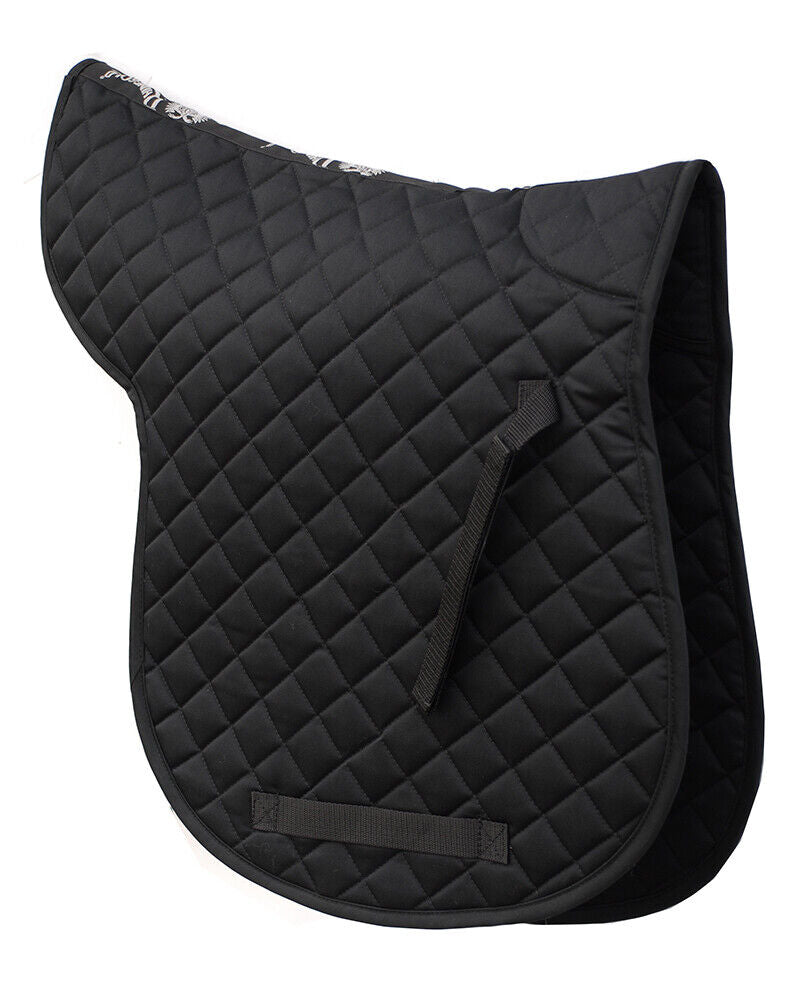
Saddlecloth is the general term for the padded layer under the saddle. The word covers most of the options in this guide, from thin cotton pads to thicker fleece versions. In practice, a saddlecloth is usually sized to the horse and held in place with Velcro or touch-tape attachments.
Numnah traditionally refers to a shaped pad, often with a more contoured outline that follows the saddle. The name is widely used in British tack shops, and a numnah is typically thinner than a close-contact or jump pad.
Saddle pad is the broadest term and often implies extra padding or a specific purpose, such as jumping. A jump-shaped pad, for example, is cut to sit clear of a forward-cut saddle and gives extra room at the wither.
Our own range reflects these distinctions. The Rhinegold Cotton Quilted GP Saddle Numnah is a classic diamond-quilted general purpose option with Velcro attachments and a lightweight foam filling. For a shaped pad designed around a forward-cut jumping saddle, the WeatherBeeta Prime Jump Shaped Saddle Pad is built with a high wither and breathable mesh spine.
A common mistake is buying on the label rather than the cut. Check the shape against your saddle before you check the name on the packet.
Horse Saddlecloth Materials Compared Side by Side
The fabric of a saddlecloth shapes how it handles sweat, warmth, cushioning and wear. For a velvet example you can buy, see the Rhinegold Velvet Saddle Cloth.
| Material | Breathability | Moisture handling | Cushioning | Heat retention | Durability | Care | Best suited to |
|---|---|---|---|---|---|---|---|
| Cotton (quilted) | Good | Absorbs sweat well, slower to dry | Light to moderate, depends on filling | Low | Good with regular washing | Machine wash cool, air dry | Everyday riding, stable use |
| Polycotton with polyester lining | Very good | Wicks moisture away from the skin | Light to moderate | Low | Very good, machine washable | Machine wash 30 degrees, no tumble dry | Schooling and regular work |
| Faux fur lined cotton | Moderate | Holds warmth against the back | Moderate to good | High | Good, with cordura anti-rub panel | Machine wash cool, air dry | Cooler weather, extra comfort |
| Diamond-quilted cotton with foam filling | Good | Absorbs and dries reasonably | Moderate | Low to moderate | Good | Machine wash cool, air dry | Light to moderate use |
Cotton is a common choice for quilted saddlecloths. It absorbs sweat and is comfortable against the skin, but it dries more slowly than synthetic fibres. Because cotton holds moisture, a damp pad should be removed promptly after work rather than left on the horse.
Polycotton with a polyester lining is the approach taken by the WeatherBeeta Prime Jump pad. The pad has a polyester wick-easy lining to help keep the horse cool, dry and comfortable, and is machine washable at 30 degrees. Do not tumble dry it. Airflow through the breathable mesh spine matters in hot conditions.
Faux fur lining is used in the Rhinegold Luxe Horse Fur Saddlecloth. It is faux fur lined for superior comfort, and the 100% cotton outer and lining include a tough Cordura anti-rub panel for endurance. The faux fur gives support and alleviates pressure points.
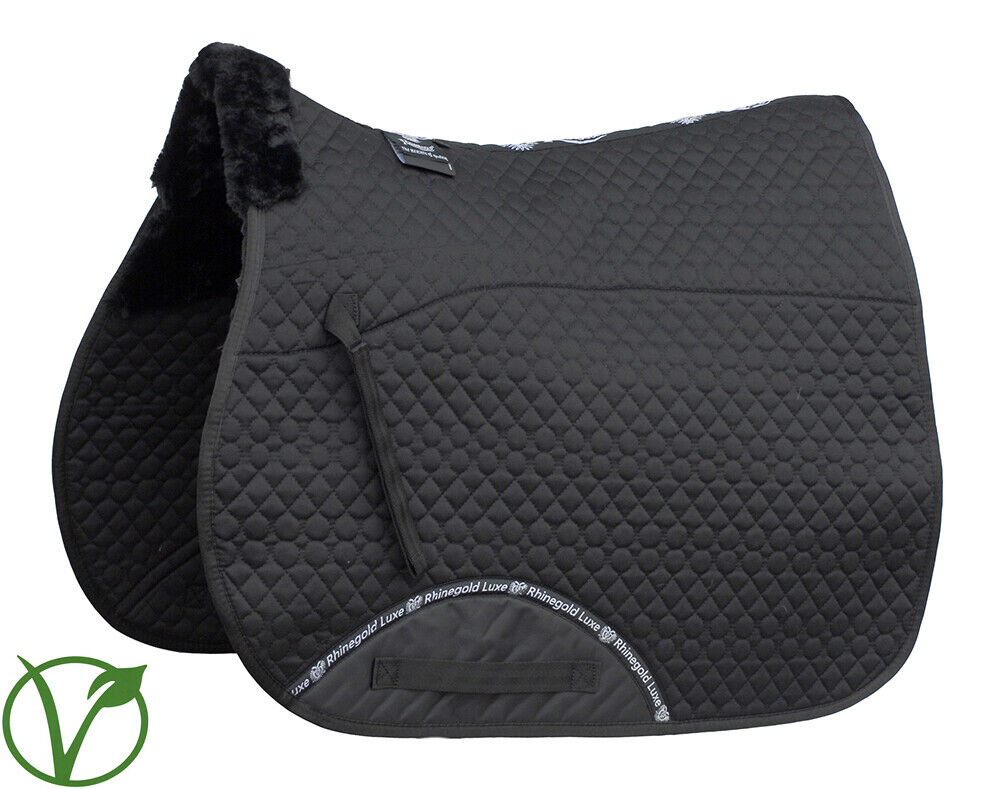
Diamond-quilted cotton with foam filling is a classic diamond-shaped pad with a lightweight foam filling for comfort.
Watch out: some fly sprays can cause colour bleed on coloured materials. Read the fly spray label for any warnings about contact with fabric before applying it under a coloured saddlecloth.
Match the balance of fabric and padding to your horse's workload rather than assuming one material is best overall.
Breathable Saddlecloth Fabrics and Heat Management by Climate and Workload
Breathability matters most when a horse is working hard in warm weather. A pad that traps heat and moisture against the back can lead to discomfort and rubbing, even if the fit is correct. The practical question is not which fabric is 'most breathable' in isolation, but which combination of fabric, lining and fit suits the climate and the workload.
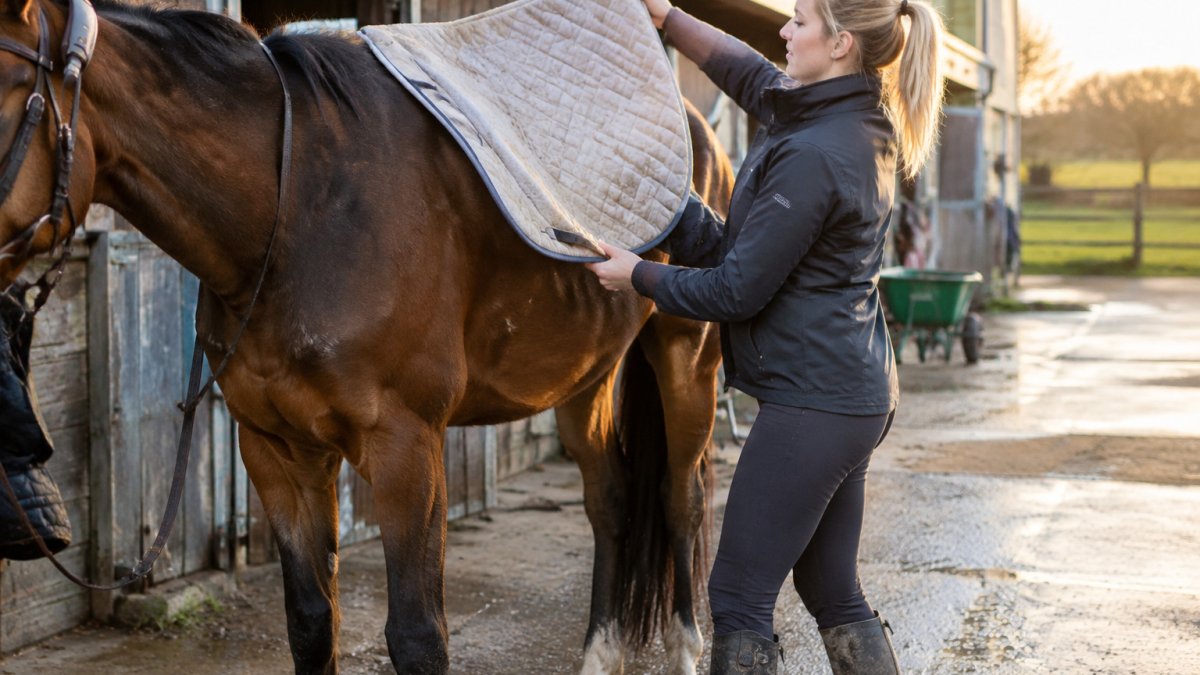
How heat builds up under a saddle. The horse's back produces heat and sweat during work. A pad sits between that surface and the saddle, so any layer that restricts airflow or holds moisture will slow cooling. Open-weave cotton and mesh panels allow air to move; dense faux fur and thick foam hold warm air close to the skin.
Warm weather and sustained work. Look for pads with mesh panels or a synthetic wicking lining. The WeatherBeeta Prime Jump pad has a breathable mesh spine that allows extra airflow to the horse's back. Ventilated designs are another option.
Cooler weather and clipped horses. In cooler weather, a thicker, fur-lined pad helps keep the back warm when the horse is standing around. Once the horse starts sweating, though, the same pad may hold moisture. Many riders switch to a thinner, more breathable layer for the ride itself.
Heavy sweaters and frequent work. A horse that sweats heavily benefits from a pad that moves moisture away from the skin. Rotating two pads can help, so a damp pad is not left on the horse or stored damp.
Practical tips for heat management:
- Remove the saddlecloth after exercise and let the horse's back cool before refitting
- Avoid leaving a damp pad on the horse in the stable
- Choose a lighter weight for summer and a fleece or fur-lined option for winter
- Check the back regularly for signs of heat rash or rubbing
Best Saddlecloth Material for Horses by Type of Work and Sweat Level
Match the material to how hard and how often your horse works. A horse that sweats heavily in a schooling session needs a different pad from one that is ridden lightly twice a week.
Light use or occasional riding: A quilted cotton numnah such as the Rhinegold Cotton Quilted GP Saddle Numnah is a practical option.
Moderate work and regular schooling: A polycotton pad with a polyester lining, like the WeatherBeeta Prime Jump, has a wick-easy lining to help keep the horse cool, dry and comfortable. For a fleece option suited to this workload, see the Shires Arma Supafleece Saddlecloth.
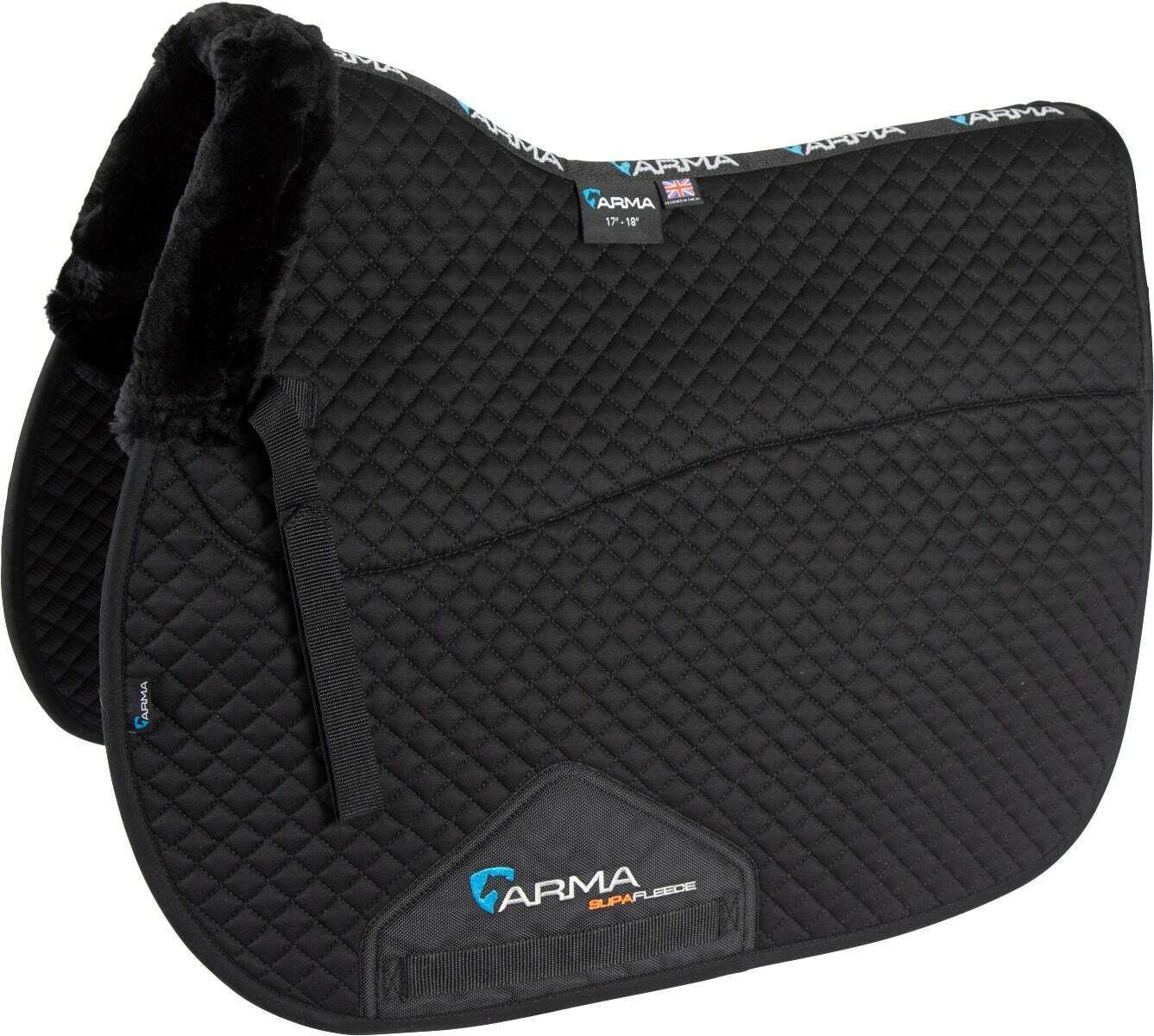
Heavy sweaters or hard-working horses: Look for wicking linings and breathable panels, and consider drying the pad between sessions.
Cooler conditions: A faux fur lined option, such as the Rhinegold Luxe Horse Fur Saddlecloth, is faux fur lined for superior comfort.
Before buying, check the fit against your saddle. A pad that is too thick can lift the saddle, and a shape designed for a different saddle style may sit in the wrong place. Always confirm the saddle type and the pad's cut before you order.
Caring for Your Saddlecloth: How to Wash a Horse Saddlecloth and Make It Last
Regular cleaning keeps a saddlecloth hygienic and extends its life. Sweat and dirt left in the fabric break down fibres and can irritate the horse's skin.
Step 1: Shake out and brush off dirt. Remove loose hair and mud before washing. Doing this first stops grit from scratching the fibres in the machine.
Step 2: Check the care label. Most of our pads are machine washable. The WeatherBeeta Prime Jump is machine washable at 30 degrees on a wool cycle, and it must not be tumble dried.
Step 3: Wash gently. Use a mild detergent and avoid fabric softener, which can reduce wicking performance. Wash coloured pads separately for the first few washes.
Step 4: Air dry completely. Lay the pad flat or hang it somewhere well ventilated. Heat from a dryer can damage the foam filling and the synthetic lining.
Step 5: Store dry. Never put away a damp saddlecloth. Mould and odour develop quickly in a warm tack room.
Check the label and wash only when the pad is visibly dirty or sweat-soaked.
Browse the full saddlecloth and numnah range at Dufinkle to find the right material for your horse's work.
Frequently Asked Questions
What is the best material for a horse saddlecloth?
For many riders, cotton is a practical choice. Rhinegold's Cotton Quilted Saddle Cloth, at £19.99, is a typical example: cotton outer with lightweight foam filling for comfort. A polycotton blend with a polyester lining, such as the WeatherBeeta Prime Jump pad at £31.50, is machine washable at 30 degrees. Choose according to workload and climate rather than assuming one fabric suits every horse.
Is cotton or polyester better for a saddlecloth?
Cotton is breathable and gentle on the skin, but it absorbs moisture and can stay damp for longer after heavy sweating. Polyester dries faster and wicks sweat away from the horse's back, which suits horses in regular hard work. Many saddlecloths combine the two, using a cotton outer for comfort and a polyester lining for moisture control. The best option depends on how much your horse sweats and how quickly you need the cloth to dry between sessions.
Do saddlecloth materials affect saddle fit?
The material matters less to saddle fit than the thickness and shape of the padding. Extra padding is not always helpful, so a well-cut pad that matches your saddle's shape is worth choosing. If you are unsure whether a pad will affect fit, check the saddle's clearance over the spine and withers before riding.
How do you wash and care for different saddlecloth fabrics?
Check the care label first. Many cotton and polycotton pads, such as the WeatherBeeta Prime Jump, can be machine washed at 30 degrees on a wool cycle, then air dried, and should not be tumble dried. Wash after heavy use to remove sweat and dirt. Fly spray can cause colour bleed on coloured fabrics, so rinse the pad after applying spray and read the product label for any warnings about contact with materials.
