
Last Updated: 27 November 2026
Quick Summary
Check horse tack fit before every ride by looking for rubbing, slipping or pinching under the saddle, girth and bridle. Place the saddle on a clean numnah, slide a flat hand under the front arch, then recheck once mounted and watching the walk and trot.
- Hair loss, rubbing marks and white dried sweat can signal poorly fitting tack.
- Slide a flat hand under the saddle's front arch to check gullet clearance.
- Fit the noseband so you can slide two fingers under the strap.
- The bit should show one or two small wrinkles at the corners of the mouth.
- Replace leather that feels stiff, dry or thin, and check girth stud holes.
Table of Contents
- Why Correct Tack Fit Matters for Your Horse
- How to Check Saddle Fit on a Horse
- How to Fit a Horse Bridle Correctly
- Horse Tack Safety Check Before Riding
- Frequently Asked Questions
Why Correct Tack Fit Matters for Your Horse
Ill-fitting tack causes pain, rubbing and behaviour problems. Checking horse tack fit before every ride takes only a few minutes, and it can prevent sores and accidents. Dufinkle is a family-run saddlery with over 40 years of equestrian showing experience behind it.
Tack that pinches, slips or rubs sends a clear message. Your horse may buck, toss its head, pin its ears or refuse to move forward. Many of these signs get blamed on the horse's temper, when the cause may lie in the tack.
Watch for these common warning signs:
- Hair loss or rubbing marks under the saddle, girth or bridle
- White dried sweat marks after a short ride
- Head tossing, mouth gaping or chewing on the bit
- Reluctance to be saddled, girthed or bridled
- Stiffness or a short stride on one rein
A quick fit check helps you spot these issues early.
How to Check Saddle Fit on a Horse
A saddle should sit level and clear the horse's back. Good saddle fit depends on the saddle's construction, the horse's shape and how the rider sits.
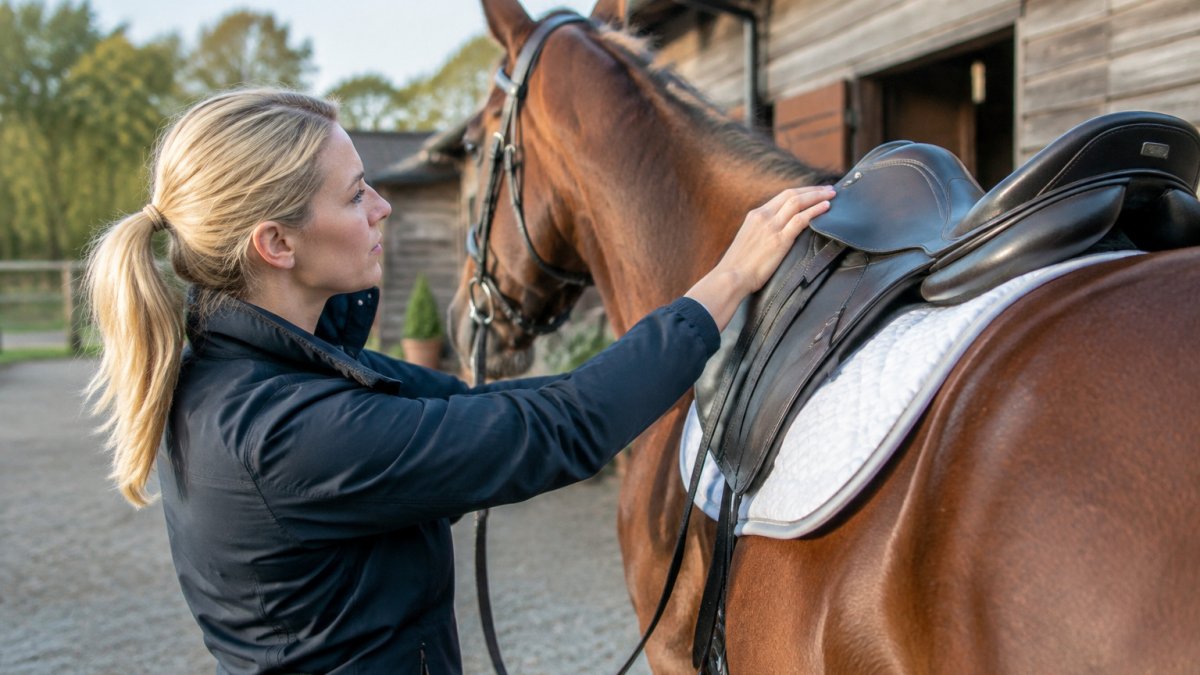
Follow these steps before you mount:
- Place the saddle on a clean, dry numnah with the front of the seat resting just behind the withers.
- Check the gullet clearance. Slide your hand under the front arch. You should fit a flat hand, with no contact on the withers.
- Look at the panels. They should make even contact along the back, with no bridging in the middle or pressure at the front or rear.
- Confirm the saddle sits level. It should not tip forward or back.
Dynamic checks matter too. Once mounted, watch the horse walk and trot. Note any slipping, rocking or changes in the way it moves. A felt pony pad saddle with a fixed girth shows how this setup looks in practice.
A saddle that looks right on the stand can still pinch once a rider is aboard, so always recheck after mounting.
Before you mount, work through these saddle fit checks in order.
| Step | What to do | Note |
|---|---|---|
| Place the saddle | Set it on a clean, dry numnah | Front of seat just behind the withers |
| Check gullet clearance | Slide your hand under the front arch | Should fit a flat hand, no withers contact |
| Look at the panels | Check for even contact along the back | No bridging or pressure at front or rear |
| Confirm level | Check the saddle is not tipping | Should not tip forward or back |
| Recheck after mounting | Watch walk and trot for slipping or rocking | Saddle can pinch once a rider is aboard |
How to Fit a Horse Bridle Correctly
Bridle fit affects comfort in the mouth, poll and head. Adjust each part before you ride.
- Headpiece: It should sit behind the ears without pulling or pinching. Keep the poll free of pressure.
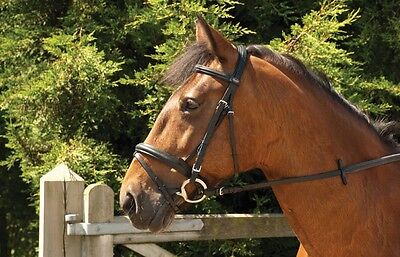
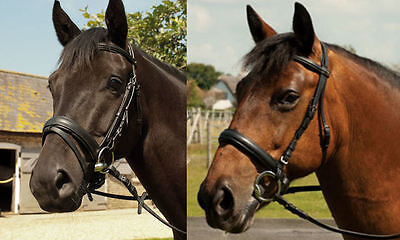
- Noseband: Fit it so you can slide two fingers under the strap. Too tight restricts breathing and chewing.
- Bit: Set the bit so you see one or two small wrinkles at the corners of the mouth. The bit should not hit the teeth or hang so low it knocks the tongue.
- Cheekpieces: Keep them even on both sides so the bit sits level.
Our comfort snaffle options come with padding that suits horses who need extra forgiveness around the head.
- Windsor Leather Comfort Horse Pony Snaffle Bridle Flash Noseband Rubber Reins
- Heritage Padded English Leather Comfort Bridle Pony Cob Full
Horse Tack Safety Check Before Riding
Run a full inspection before every ride. A short routine catches wear before it becomes a fall.
Pre-ride checklist:
- Saddle, girth and stirrup leathers are not cracked or stretched
- Stitching is intact on all leather parts
- Buckles and keepers work smoothly
- Reins are not worn through or split
- Bit and cheekpieces are clean and undamaged
Girths deserve special attention. Check the stud holes and roller buckles for stress. Replace any leather that feels stiff, dry or thin.
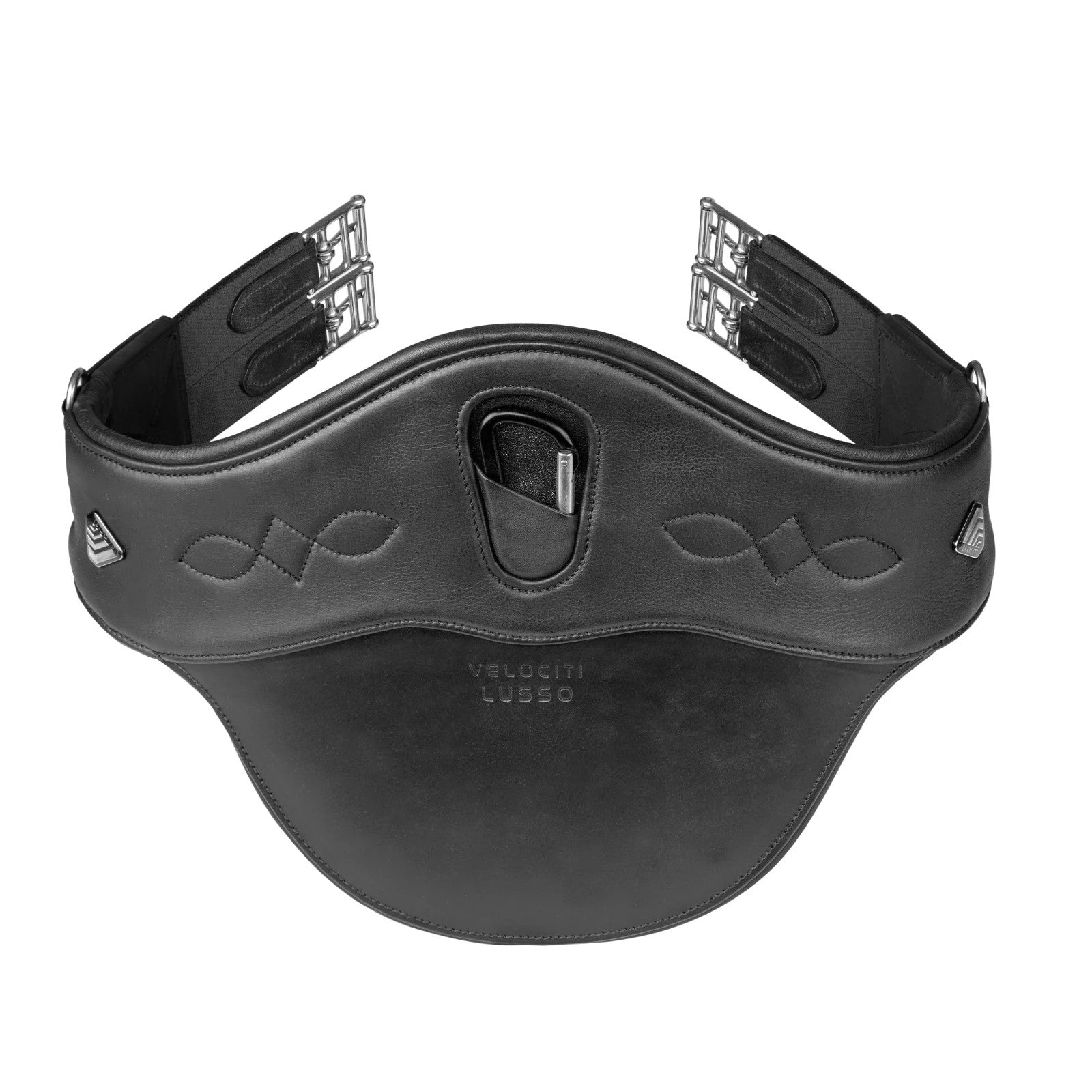
Keep your leather supple with regular care. Our girths, such as the Shires Velociti Lusso Stud Girth, feature a strong, hardwearing outer leather and eco-friendly vegetable-tanned European leather. Do not use excessive amounts of oil on leather.
Stop riding and call a qualified saddle fitter if a saddle rocks, the bridle keeps slipping, or your horse shows pain that does not ease after adjustment.
Frequently Asked Questions
How do you check if a horse's bridle fits correctly?
Check that the cheekpieces sit level and the browband lies flat without pulling the headpiece forward. The noseband should allow two fingers to slide underneath, and the bit should create a few small wrinkles at the corners of the mouth without pulling the lips tight. The bridle should not rub the ears or poll. Adjust each piece gradually, then ride the horse at walk to confirm the fit feels comfortable and stable through the head and neck.
What are the signs that horse tack does not fit?
Common signs include white hair or dry patches under the saddle or girth, sweat marks that do not match on both sides, a saddle that slips or rocks, and a horse that resists the bit, tosses its head, or becomes tense when tacked up. Behavioural changes such as bucking on the lunge, reluctance to move forward, or flinching when the girth is done up can also point to a problem. Check the tack and the horse's back, then recheck fit after any change in condition or weight.
When should you ask a qualified saddle fitter to assess your horse's tack?
Call a qualified saddle fitter if the saddle has been rocking, pinching or causing sore patches, or if the horse's shape has changed through fitness, weight loss or muscle development. A professional assessment is also worth booking when you buy a new saddle, when a horse is recovering from an injury, or when simple adjustments have not resolved the problem. Continue riding only if the horse is comfortable and the fit is secure.
