

Last Updated: November 10, 2026
Quick Summary
Beginner equestrian clothing for children should start with a correctly fitted riding hat that meets a recognised safety standard, since safety comes before anything else. After that, add jodhpurs or leggings, boots with a small heel and smooth sole, a top that covers the shoulders, and gloves.
- Buy a riding hat first, checking it meets a current British or European safety standard.
- A hat should sit level, feel snug all round, and stay put when the child nods firmly.
- Replace a riding hat after any significant fall or impact, even if it looks fine.
- Buy jodhpurs for the size the child is now, not a size up, as loose pairs slip and rub.
- Spend on safety kit first and delay competition wear until the child rides regularly.
Table of Contents
- Start With Safety: The Kit That Comes Before Clothing
- What to Wear for a First Riding Lesson
- Kids' Jodhpurs: What to Look For and How to Size Them
- Children's Riding Boots and Suitable Footwear
- Budget Priorities: What to Spend On and What to Skip
- Shop the Full Dufinkle Range for Your Young Rider
- Frequently Asked Questions
Start With Safety: The Kit That Comes Before Clothing
The first purchase for any young rider is not equestrian clothing at all. It is a correctly fitted riding hat, and everything else follows from there. Parents who get the hat right first tend to have a far easier time choosing the rest of their beginner equestrian clothing for children.
Safety gear is the one area where cutting corners is not worth it. A riding hat protects against the most serious risks in the sport, and a body protector adds protection for the torso during the early, wobbly months.
The children's riding hat: standards, fit and when to replace it
A riding hat must meet a recognised safety standard and carry the correct marking. Look for hats that comply with current British and European standards, and check the label before you buy.
Fit matters as much as the standard. A hat should sit level, feel snug all round, and stay put when the child nods firmly. A loose hat will not protect properly. Check with the riding school before buying, as they may require a specific standard.
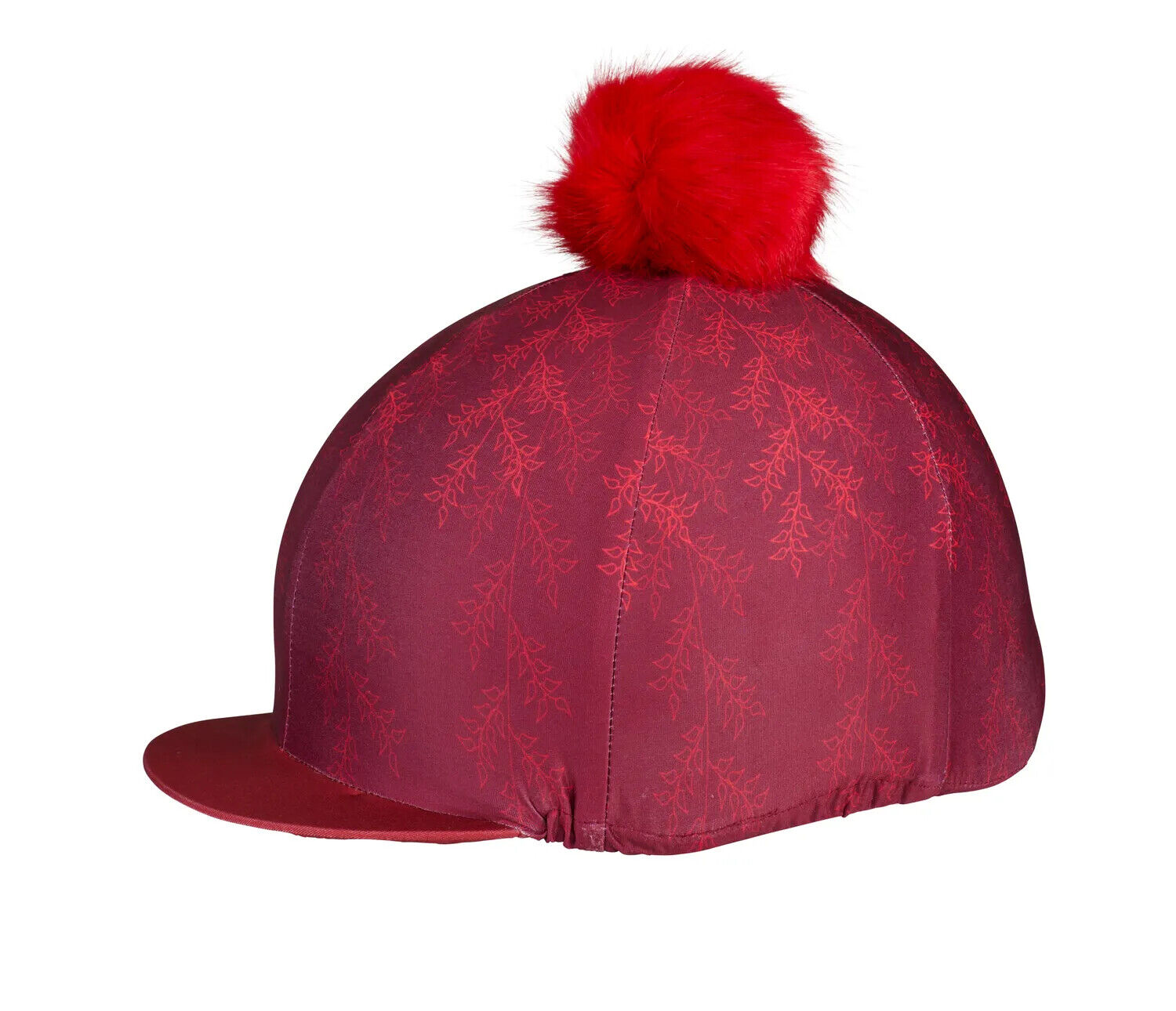
Replace a hat after any significant fall or impact, even if it looks fine. Also replace it as the child grows out of the fit. A hat cover, such as the Shires Aubrion Hyde Park Riding Skull Hat Cover, finishes the look without affecting the fit underneath.
What to Wear for a First Riding Lesson
For a first lesson, keep it simple and safe: jodhpurs or leggings, a top that covers the shoulders, a correctly fitted hat, and boots with a small heel. Avoid loose clothing, trailing scarves and anything that could catch on the saddle.
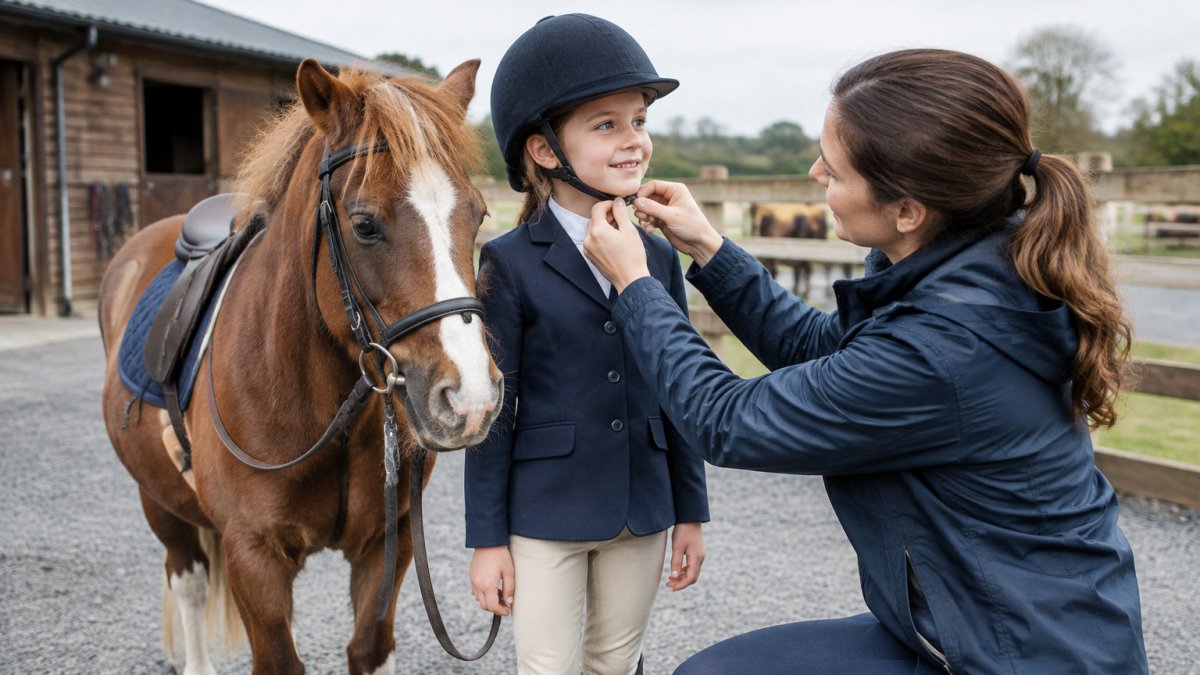
The riding school will usually tell you what they expect. Ask before the first session rather than guessing. Most schools are happy to advise, and it saves buying the wrong thing. Ask two questions in particular: whether they provide a hat and body protector for beginners, and whether they have any rules about footwear, jewellery or hair.
The prioritised starter checklist for beginners
Buy in this order. It keeps spending sensible and covers safety first.
- A correctly fitted riding hat to the right standard, borrow from the school for the first lesson if you can, then buy new once you know the child is continuing
- Jodhpurs or stretchy leggings with a secure waist
- Boots or wellies with a small heel and a smooth sole
- A comfortable top that covers the shoulders
- Gloves for grip and warm hands
- A body protector if the school recommends one
Everything beyond this is nice to have, not essential. A common pattern is for parents to buy the full outfit before the first lesson and then discover the school supplies hats and that the child prefers a different style of jodhpur.
What can safely wait: competition wear, a second pair of jodhpurs, branded base layers, a hat silk, and any matching set. None of these affect safety or comfort in early lessons.
Watch out: turning up in trainers, fashion leggings with a wide flare, or a coat that hangs below the saddle. Each can catch on the saddle or slip through the stirrup, and the school may ask you to change before the lesson starts.
Kids' Jodhpurs: What to Look For and How to Size Them
Jodhpurs are the workhorse of a child's riding wardrobe. Look for a stretchy, breathable fabric, a secure elasticated waist, and reinforced knee patches for grip. Sizing is usually given by waist measurement in inches, so measure the child's waist and check the brand's own size chart.
Three value options from our range:
| Product | Price | Sizes | Best For |
|---|---|---|---|
| Shires Wessex Childrens Jodhpurs | £14.40 | Age 2-8 | Younger beginners, elasticated waist |
| Rhinegold Childrens Classic Jodhpurs | £16.99 | 20"-30" waist | Wide colour choice, stretch cotton mix |
| Whitaker Brightside Kids Jodhpurs | £17.89 | 20"-28" waist | Everyday wear, pull-on comfort |
Price

The Shires Wessex pair has an elasticated waist for an easy fit and is machine washable at 30 degrees. The Rhinegold Classic comes in 11 colours and is made from a cotton-lycra stretch mix. The Whitaker Brightside is a pull-on breech with an elasticated waist and reinforced knee patches.
Buy for the size the child is now, not a size up. Jodhpurs that are too loose slip and rub.
Children's Riding Boots and Suitable Footwear
Suitable footwear has a smooth sole and a small heel. The heel stops the foot sliding through the stirrup, and a smooth sole lets the foot release easily. Trainers and wellies without a heel are not suitable for riding.
For lessons, a child-sized jodhpur boot works well. The Shires Moretta Alma Childs Jodhpur Boots come in brown or black and are designed for young riders. Yard boots are fine for mucking out but should not be worn to ride unless they meet the same sole and heel requirements.
Gloves, base layers and layers for cold or wet weather
Layering is how you handle changeable weather. Start with a breathable base layer, add a fleece or mid-layer, and finish with a waterproof outer. Avoid bulky coats that restrict movement in the saddle.
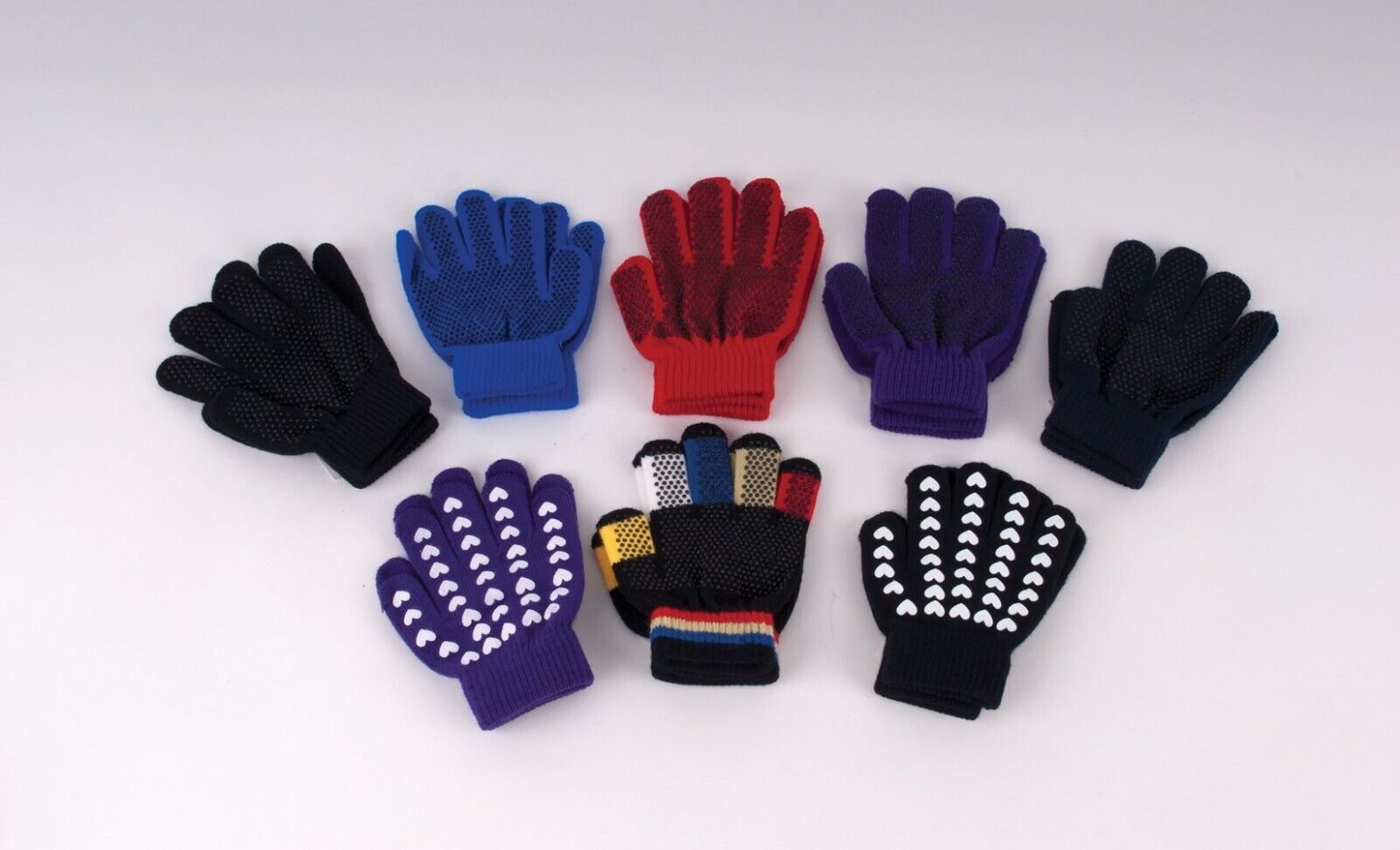
For hands, knitted gloves with a grip palm keep small hands warm. The Rhinegold Childrens Magic Gloves are a simple, affordable choice. For proper grip on the reins, the Shires Aubrion Team Mesh Riding Gloves are a better step up for young riders.
Budget Priorities: What to Spend On and What to Skip
Spend on safety first, as the hat is the most important purchase. Then buy one good pair of jodhpurs and suitable boots.
A sensible starter kit does not need to cost much. Set a budget before you shop and divide it in this order: hat first, footwear second, jodhpurs third, then layers and gloves.
Where to save and where not to:
- Buy new: the riding hat and any body protector. Both rely on an intact structure and a correct fit, and second-hand examples may have suffered an impact you cannot see.
- Buy secondhand or accept hand-me-downs: jodhpurs, fleeces, base layers and waterproof outer layers. Children grow out of these quickly, and a clean secondhand pair is perfectly serviceable.
- Buy cheaply: gloves, hat covers and socks. These wear out or get lost, so there is little point paying a premium.
- Delay: competition shirts, show jackets, matching sets and branded yard wear. Wait until the child is competing or riding several times a week.
Watch out: buying a hat secondhand or online without a proper fitting is a common mistake. A hat that does not fit correctly offers far less protection, and a used hat may have been dropped or involved in a fall.
Sizing also affects budget. Buying jodhpurs a size up to allow for growth often backfires, because loose fabric slips and rubs; buy for the size the child is now and replace as needed.
Shop the Full Dufinkle Range for Your Young Rider
Getting a child started in riding does not need to be complicated or expensive. Hat first, then jodhpurs, boots and layers, and you have a safe, practical kit that will see them through their first lessons and beyond.
Dufinkle is a family-run online saddlery with over 40 years of equestrian showing experience, stocking products from over 15 trusted brands. Free UK postage applies to every order with no minimum spend.
Frequently Asked Questions
What should a child wear for their first horse-riding lesson?
Start with a correctly fitted riding hat, then add kids' jodhpurs or comfortable stretch leggings, a close-fitting top and boots with a small heel and smooth sole. A body protector is worth adding for confidence. Avoid baggy trousers, open-toed shoes and loose hoodies that can catch on the saddle. Ring the riding school before the first lesson, because many have spare hats and boots to borrow while you work out what your child actually needs.
Do children need jodhpurs to start horse riding, or can they wear leggings?
Jodhpurs are not compulsory at most riding schools, and stretch leggings can work for a first lesson. The difference shows up in the details: jodhpurs have reinforced knee patches that grip the saddle and last longer through weekly wear. Priced from £14.40 to £17.89, a pair of children's jodhpurs costs little more than school trousers and will outlast thin leggings. Start with one pair and add more once your child commits to regular lessons.
What type of boots should a child wear for riding?
Look for a smooth sole with a small defined heel, which stops the foot sliding through the stirrup. Short jodhpur boots suit beginners and can double as yard boots, while long riding boots give more lower-leg protection for older or more confident riders. Wellies are fine for mucking out but not for riding, because the deep tread can jam in a stirrup. Check the fit with the socks your child will actually ride in.
How should children's equestrian clothing fit, and how much room should I leave to grow?
Buy to fit now, not for next year. A riding hat must be snug with no movement when the head shakes, and a loose hat protects nothing. Jodhpurs should sit close without restricting movement, and boots need a thumb's width at the toe with the heel held firm. Growing room is tempting but a baggy seat and flapping fabric are uncomfortable in the saddle. Replace items as they stop fitting rather than buying oversized at the start.
