

Last Updated: November 24, 2026
Quick Summary
To choose durable horse tack, start with the horse's build, workload and how often the kit will be used, then check materials, stitching and hardware before buying. Leather is repairable and moulds well, while nylon and neoprene cope with weather but are usually replaced rather than repaired. Fit comes before durability, and cleaning after every ride is the habit that makes tack last.
- Check stitching, leather, hardware and strap ends in that order, and reject anything failing two or more checks.
- Cracked billets or girth points are an immediate replacement, not a repair job.
- Clean leather weekly, condition monthly and strip and rebuild the bridle seasonally.
- Spend most on the saddle and girth, where load and safety matter most.
- Store tack dry, out of direct sun and away from radiators, never damp in a bag.
Table of Contents
- Start With the Horse, Not the Catalogue
- Durable Horse Tack Materials: What Actually Lasts
- Leather vs Synthetic Horse Tack: Pros, Cons and Costs
- Fit Comes Before Durability: Saddle, Bridle and Girth Checks
- How to Check Horse Tack for Wear Before You Buy
- Horse Tack Care and Maintenance That Adds Years
- Matching Tack to Your Riding Discipline and Budget
- Build Your Durable Tack Kit at Dufinkle
- Frequently Asked Questions
Start With the Horse, Not the Catalogue
Durable horse tack is equipment that keeps its shape, strength and safety through daily work, and the only way to choose it well is to start with the horse in front of you. The pattern is consistent across riders: those who buy for the horse tend to get years of service, while those who buy from a catalogue often end up replacing items sooner.
Before you look at a single listing, answer four questions:
- What is the horse's build? A deep-chested cob and a fine Thoroughbred wear the same size label very differently.
- What work does the horse actually do? Hacking, schooling, showing and jumping all load tack in different ways.
- How often will it be used? Daily use demands stronger stitching and hardware than weekend use.
- Who is handling it? A child's pony club kit takes a different kind of punishment.
The British Equestrian Trade Association sets safety standards for riding equipment sold here, and its guidance is worth checking before you buy anything load-bearing. BETA guidance on equestrian equipment standards
Durable Horse Tack Materials: What Actually Lasts
Material choice is the biggest single factor in how long tack lasts, and there is no universal winner. Leather, nylon and neoprene each fail in different ways, and the right pick depends on how the item is used rather than on price alone. Knowing how a material degrades tells you what to inspect and when to replace.
Leather, Nylon and Neoprene Compared
Leather is the traditional choice for saddles, bridles and girths. Good leather moulds to the horse, breathes, and can be repaired by a saddler.
Nylon webbing is strong, cheap and shrugs off rain. It does not stretch much and needs little care.
Neoprene is a synthetic rubber used for girth linings and padding. It is easy to wipe clean and does not absorb sweat. It can trap heat on a clipped horse and perishes if left in direct sun.
| Material | Best For | Main Weakness | Typical Failure Mode | Repairable |
|---|---|---|---|---|
| Leather | Saddles, bridles, girths | Water and poor storage | Cracking at flex points, stretched holes | Yes, by a saddler |
| Nylon | Everyday and wet-weather kit | Rubbing, no stretch | Stitching perishes, UV brittleness | Rarely |
| Neoprene | Girth and pad linings | Heat build-up, sun damage | Compression, delamination | No |
Material Longevity and Repairability
Longevity is not just about the material, it is about whether the item can be brought back. Leather scores highest because a saddler can re-stitch a strap, replace a billet or re-line a panel, so a single worn part does not write off the whole item.
The sensible approach for most yards is leather where fit and feel matter, and synthetic where weather and workload are the enemy, but buy the synthetic knowing it is a consumable, not an investment.
Leather vs Synthetic Horse Tack: Pros, Cons and Costs
Leather wins on comfort and repairability; synthetic wins on weather resistance and upfront price. The real question is total cost of ownership, not the ticket price on the day.
Leather pros:
- Moulds to the horse and distributes pressure well
- Repairable, so a single worn strap does not write off the item
- Holds value for resale
Leather cons:
- Needs regular cleaning and conditioning
- Damaged quickly by damp storage and neglect
Synthetic pros:
- Copes with rain and mud with minimal care
- Lower upfront cost
- Lightweight and easy to wipe down
Synthetic cons:
- Limited repairability
- Can rub on thin-skinned horses
- Colours and coatings can fade
Fit Comes Before Durability: Saddle, Bridle and Girth Checks
A durable item that does not fit is a false economy, because ill-fitting tack wears faster and harms the horse. Fit is the first durability test, not an afterthought.
Check the saddle by placing it on the horse without a numnah and looking for even contact along the panels. Run a hand under the front arch: if you feel pinching at the withers, the tree is wrong for that horse.
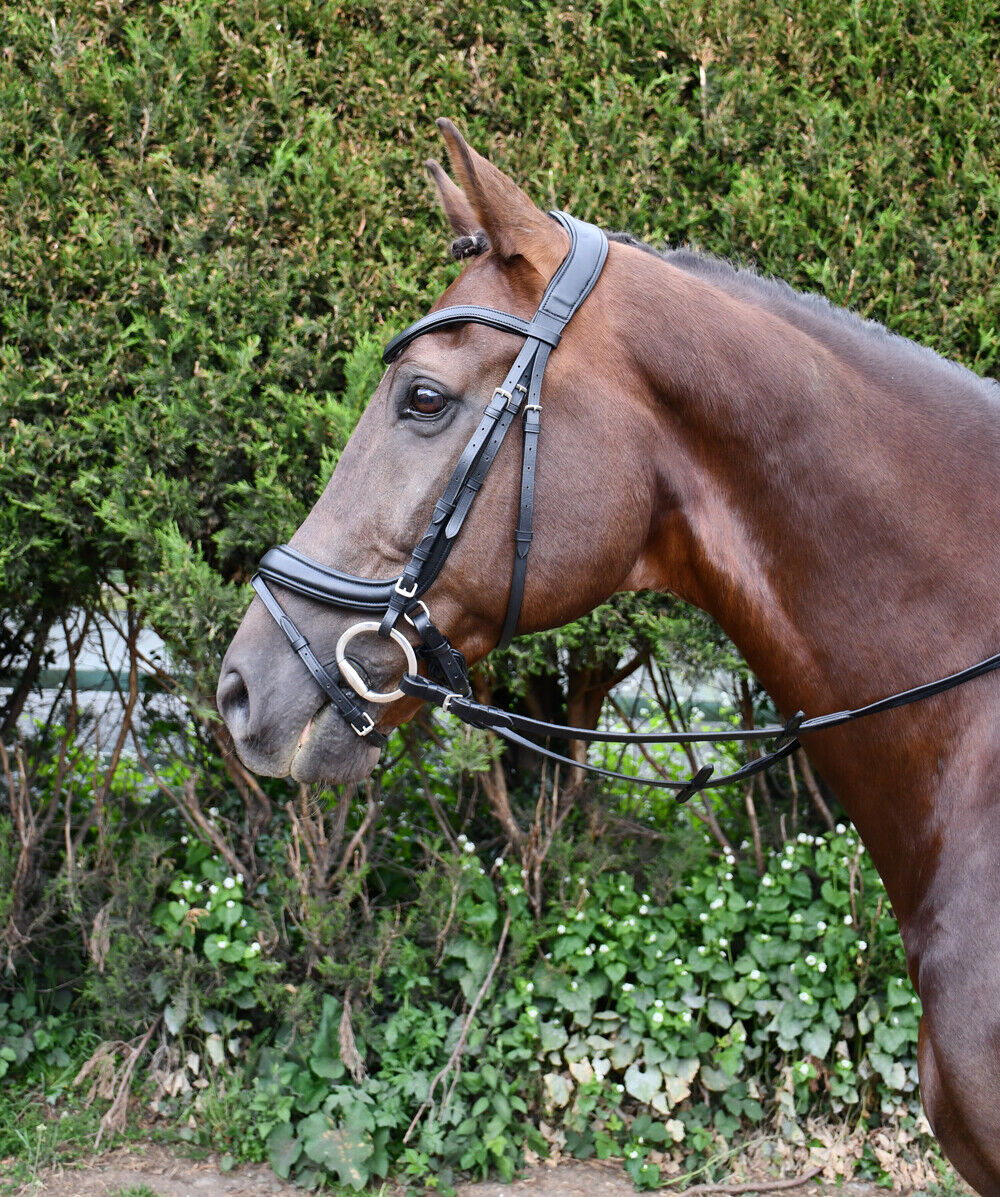
For the bridle, check that the browband does not pull the headpiece into the base of the ears, and that the noseband sits with room for two fingers. A girth should sit in the girth groove without pinching the elbow, and elastic on both sides gives a more even pull.
Pressure Points and Freedom of Movement
Pressure points are the areas where tack concentrates force, and they are where wear and discomfort both start. Look under the headpiece, behind the ears, at the withers, along the girth line and around the mouth.
Anatomically shaped headpieces and curved girths spread load rather than concentrating it. Watch the horse move in hand after fitting: a bridle that restricts the head or a girth that sits too far forward will show up as a shortened stride or a hollow frame.
If you are comparing girth options, a neoprene dressage girth with elastic, such as the Shires Arma neoprene dressage girth, is a practical starting point for checking pressure and fit against your current tack. For horses with sensitive poll areas, a padded anatomical bridle like the Rhinegold Softee padded leather pro-anatomical bridle addresses the pressure points described above.
How to Check Horse Tack for Wear Before You Buy
Inspect stitching, leather condition, hardware and strap ends in that order, and reject anything that fails two or more checks.
Run through it in this order:
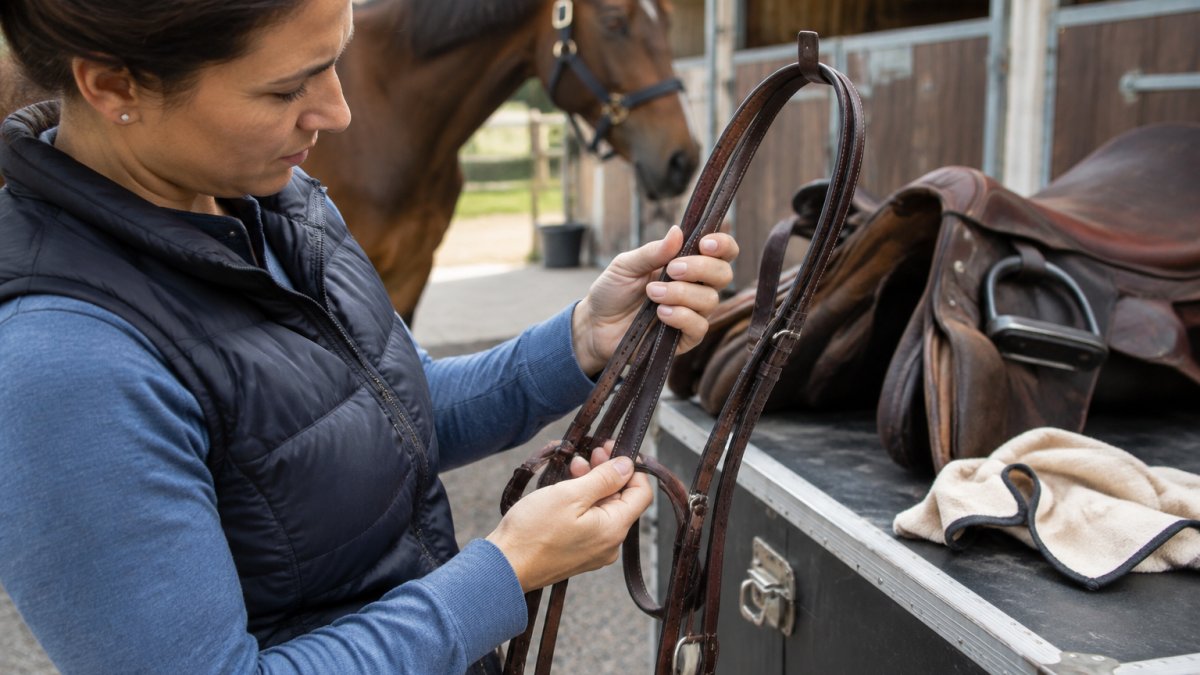
- Stitching: look for loose, frayed or uneven stitches, especially at buckle ends and rein loops. Stitching fails before leather does, and a lifted thread at a buckle end means the strap is already on its way out.
- Leather: bend each strap; surface cracks or a dry, spongy feel mean it is failing. Pay particular attention to the bend over the buckle and the area where the strap passes through a keep, those flex points crack first.
- Buckles and hardware: check for bent frames, sharp edges and rust at the plating. A bent buckle puts uneven load on the strap and will wear through it; rust at the plating means the base metal is exposed and weakening.
- Billets and girth points: flex them; cracks here are a safety issue, not a cosmetic one. Billets carry the rider's weight through the saddle, so any cracking at the stitch line or across the leather is an immediate reject.
- Strap ends: look for stretched holes and thinning leather around the punch holes. A stretched hole lets the buckle sit deeper and puts load on a thinner section of leather.
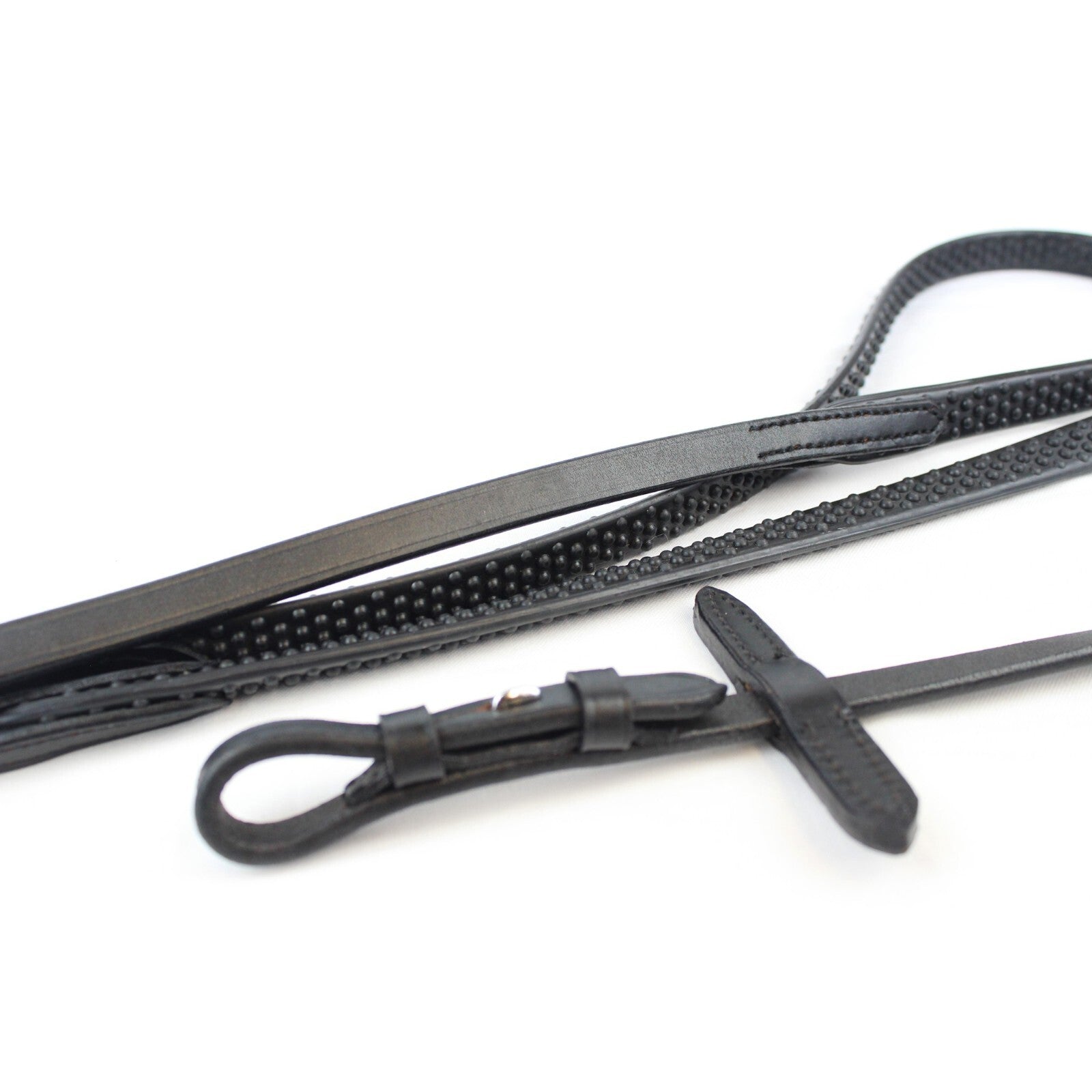
- Reins and rubber grips: check for perishing, splitting or a slipping core. A rein with a perished rubber grip or a core that moves inside the cover will fail when you need it most.
- Weight and balance: a badly balanced bridle will wear unevenly from day one. Hold the bridle up by the headpiece and check that the cheekpieces hang evenly; uneven length loads one side more than the other.
A common mistake is judging tack by how shiny it looks. Clean, polished leather can hide cracked billets underneath, so always flex the load-bearing straps.
Second-Hand Tack: A Stricter Check
Second-hand tack needs a harder inspection than new kit, because the failures that matter are often hidden. Ask how it was stored, damp storage leaves a musty smell and a spongy feel that no amount of cleaning fixes. Check the billets and girth points first, then flex every strap at its bend points. Look for repaired stitching on load-bearing straps: a neat repair by a saddler is acceptable, but hand-stitched repairs with mismatched thread are a sign the item has already failed once. Rusted hardware, cracked leather and stretched holes are all reasons to walk away.
Horse Tack Care and Maintenance That Adds Years
Cleaning after every ride is the single habit that separates tack that lasts a decade from tack that lasts two seasons. Wipe off sweat and mud, then condition leather regularly to keep it supple.
A workable routine for most yards:
- After every ride: wipe sweat and dirt from straps and girth with a damp cloth
- Weekly: clean leather with a proper leather cleaner and check stitching and hardware
- Monthly: condition leather and check billets, girth points and rein loops
- Seasonally: strip and rebuild the bridle, inspect every strap, and replace anything suspect
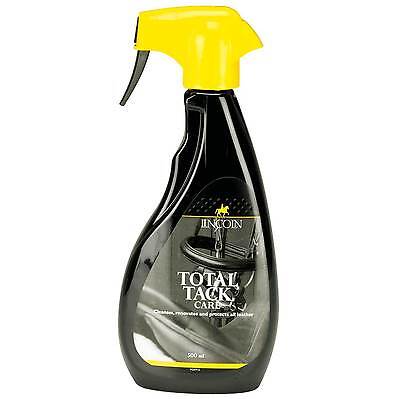
A product like Lincoln Total Tack Care spray cleans and protects in one step without water, which makes it easy to keep on top of daily grime. For routine cleaning of saddlery, a Shires Ezigroom leather soft soap tub is a straightforward option to keep in the tack room.
Weather, Storage and Second-Hand Checks
Damp is the enemy of leather, and heat is the enemy of synthetic materials. Store tack somewhere dry, out of direct sun and away from radiators, and never leave a damp bridle bundled in a bag.
Hang bridles on a shaped hook or store them flat in a bridle bag, such as the Rhinegold Essential luggage bridle storage bag, so straps keep their shape and do not crease. Saddles belong on a rack with the panels clear of pressure.
Matching Tack to Your Riding Discipline and Budget
Buy for the work the horse actually does, and spend the money where load and safety demand it. A showing bridle and a hunting bridle are built differently, and buying the wrong one wastes money either way.
- Showing: traditional leather bridles with neat stitching and polished hardware; the Kincade Classic plain raised cavesson bridle style suits this well
- Everyday schooling: hard-wearing leather or quality synthetic, prioritising fit over finish
- Jumping and cross-country: strong girths, reinforced stitching and secure buckles
- Hacking: weather-resistant kit and reins with a reliable grip, such as Gallop Leather Flexi Rubber Billet Reins with Nylon Core
- Pony club and children: adjustable, simple tack that can grow with the pony and rider
Budget sensibly: spend most on the saddle and girth, where load and safety matter most, and save on items that carry less weight. A cheap bridle that fits beats an expensive one that does not.
Build Your Durable Tack Kit at Dufinkle
Choosing durable horse tack comes down to fitting the horse first, checking materials and stitching second, and maintaining what you buy. Get those three right and most tack will outlast the horse's time in work.
Every order ships with free UK postage and no minimum spend, so you can start with one item and build from there.
Ready to replace the straps that are letting you down? Start with a leather care kit and work through your tack room one item at a time.
Frequently Asked Questions
What should I look for when buying durable horse tack?
Check the stitching first: even, tight lines with no loose threads. Look at hardware for rust or sharp edges, and flex leather to see whether it cracks or feels stiff. Confirm the size fits your horse rather than guessing, and ask whether parts such as billets or reins can be replaced. The Kincade Classic Plain Raised Cavesson Bridle, at £38.69, is made with quality Indian leather and highly polished stainless hardware, with tonal stitching.
Is synthetic horse tack as durable as leather?
It depends on the synthetic. Nylon webbing resists water and rot well but can fray at cut edges and rub if poorly finished. Neoprene padding adds comfort but degrades faster than the webbing it sits on. Leather lasts decades with regular cleaning and conditioning, while synthetics usually need replacing sooner and are harder to repair. For everyday use in wet conditions, a quality synthetic has its place; for longevity and repairability, leather generally wins.
How often should horse tack be checked for wear?
Check the bridle and girth every time you ride, focusing on straps, buckles and stitching at pressure points. Do a fuller inspection monthly: flex the leather, look for stretched holes, cracked billets and worn rein grips. Clean and condition leather roughly every two to four weeks depending on use, and after any soaking. Replace anything with cracked billets, broken stitching or bent hardware immediately rather than waiting for a failure under saddle.
Can I save money by buying second-hand tack?
Yes, but inspect carefully. Ask about age and storage, then check stitching, billets and rein grips for cracks or stretching. Flex all leather and look for dry, brittle patches. Avoid anything with rusted hardware, mould damage or repairs you cannot verify. Second-hand saddles should be checked by a qualified saddle fitter before use. The Lincoln Total Tack Care 500ml spray (£13.20) is an all-in-one cleaner and protector for leather.
